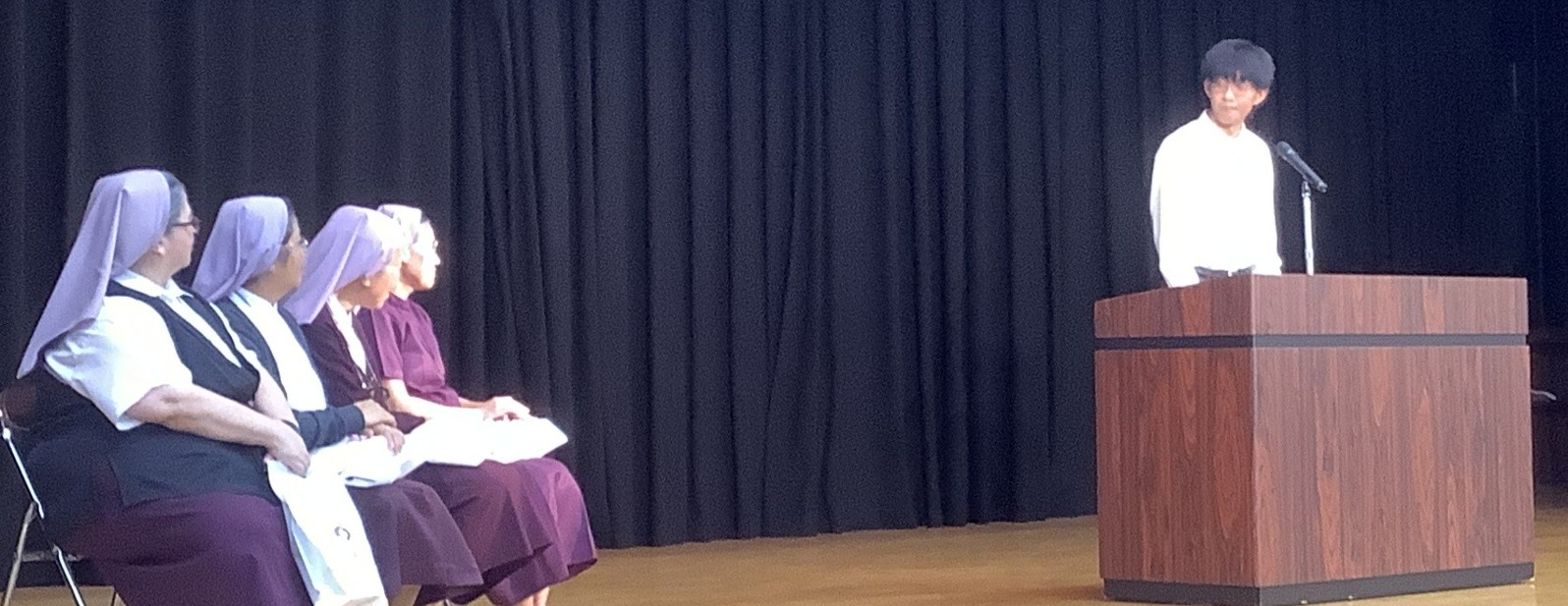
2020 was the year I moved to Japan from China. This is also the year that the coronavirus pandemic started.
“Self-restraint,” people said. The pandemic was too terrible to go outside. People started doing nothing in their homes, and I was a member of them. Until I became a high school student, I rarely had conversations with people for three years. The reason for that was not only the pandemic but also my inability to speak Japanese. All of those things made me lose confidence in talking with others. I knew that was absolutely not a positive influence on my life, so I decided to change a little bit in my high school life.
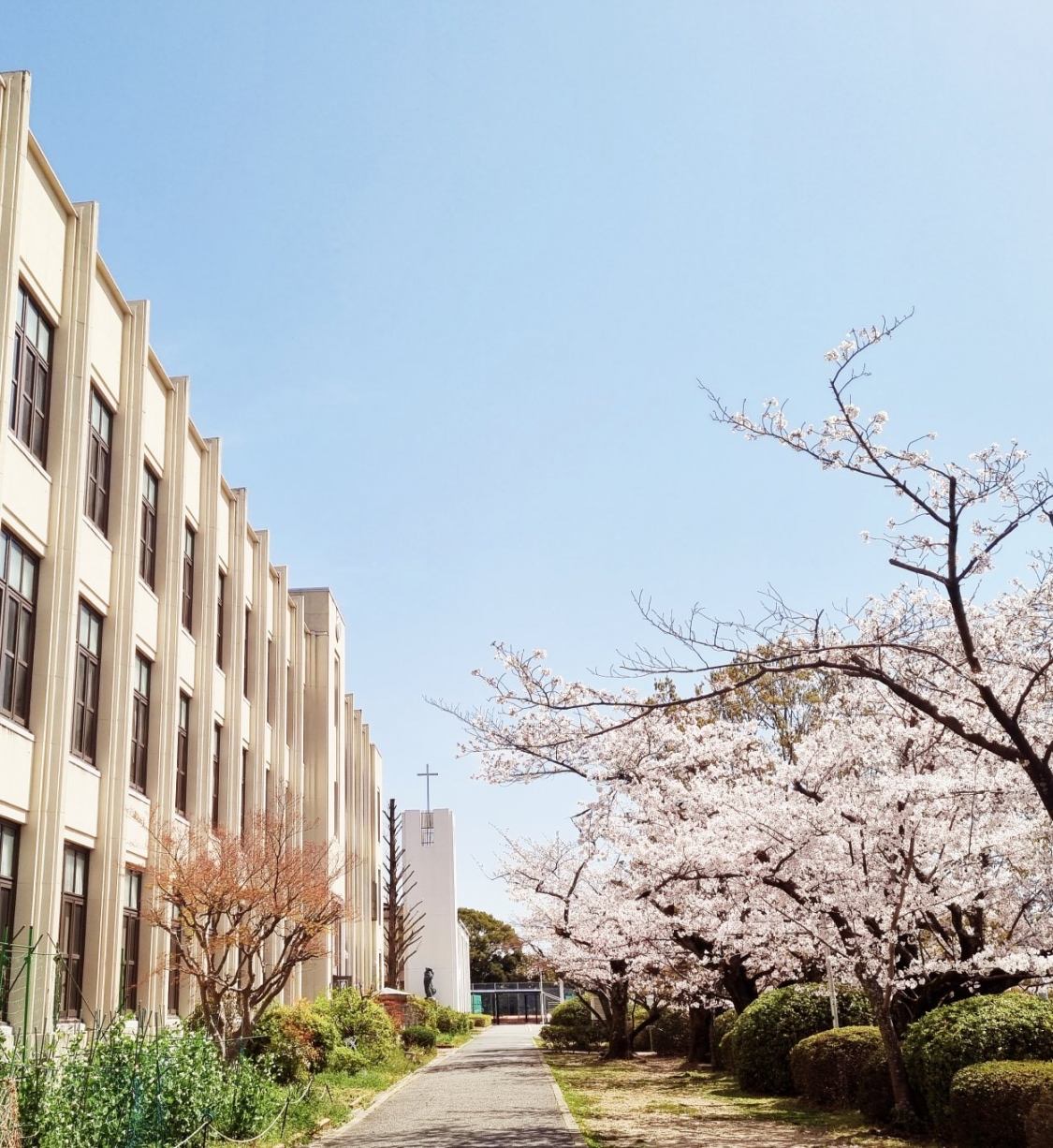
When I entered Assumption Kokusai, I was filled with both fear and curiosity. The environment was completely different from my junior high school. Everyone seemed more open-minded, more used to accepting people from other countries. Still, I remember that when I could not speak Japanese properly, some people laughed at my pronunciation. That small moment—just laughter—might seem like nothing to others, but to me, it echoed with my past trauma. It reminded me of the time when my classmates used to mock my accent, my words, and even the way I stayed silent.
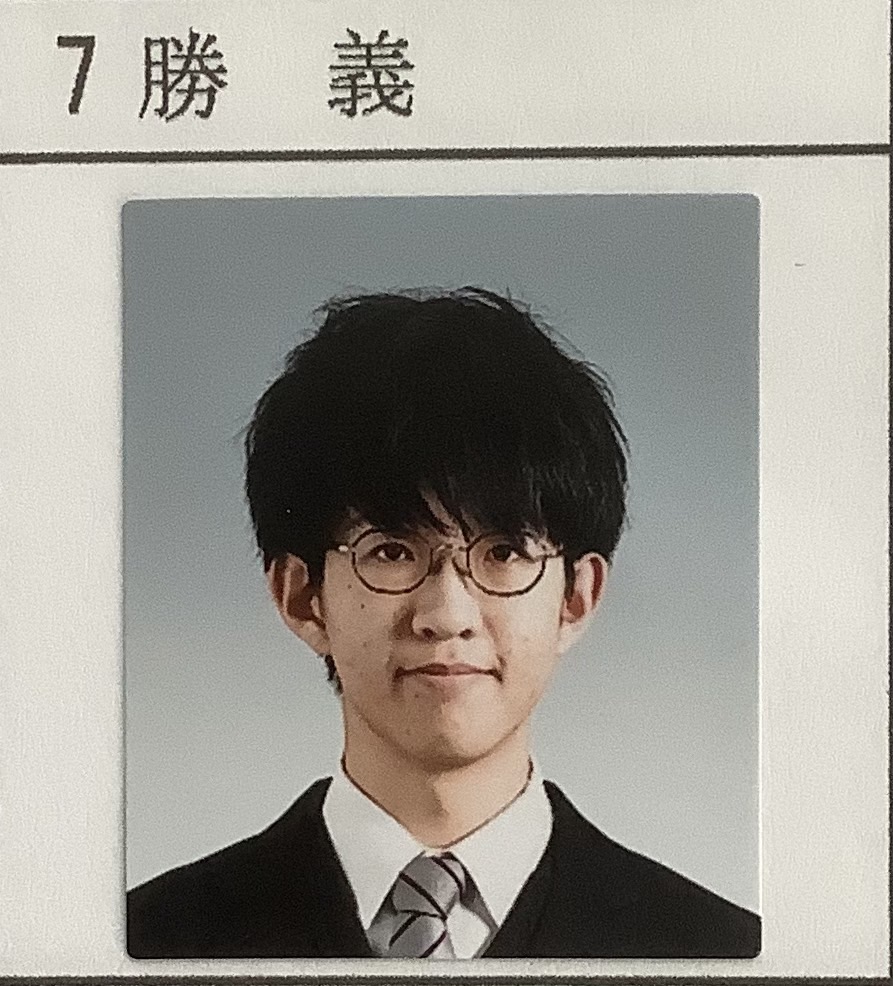
For a long time, I avoided speaking. Silence felt safe. But silence was also a cage.
At Assumption Kokusai, the teachers didn’t allow that silence to continue. They gently pushed me to speak in classes, to present, to express what I thought. In my opinion, the way that most Japanese schools work often makes students afraid of presentations—they worry about mistakes, judgment, and embarrassment. But my school was different. We had to do a presentation every week. At first, it felt like torture. My hands would shake. My voice would break. I remember the first time I had to present my favorite book; I read the script word by word, without looking at anyone.
But surprisingly, nobody laughed. The teacher smiled and said, “You spoke with courage.” That one sentence gave me more than any grammar lesson ever could.
As the months passed, I started to feel small changes in myself. I began to raise my hand more often in class. I started to make eye contact. When teachers asked for volunteers, I sometimes said, “I’ll try.” That word—“try”—became a kind of magic word for me.
At lunch, I sat near people I didn’t know well. Sometimes we talked about anime or music.
Sometimes I just listened. The important thing was, I was no longer hiding. My Japanese slowly improved, and with every small conversation, I felt that invisible wall between me and others fade away.
I also realized that communication is not just about language; it’s about willingness.
People may forgive mistakes if they can feel your sincerity. My classmates saw that I was trying my best, and many of them started helping me with Japanese expressions. I, in return, taught them some Chinese words. We laughed together about funny translation mistakes.
Those moments healed me more than any therapy could.
Still, the trauma didn’t disappear overnight. There were nights when memories of isolation in junior high came back vividly. I remembered sitting alone during lunch, hearing whispers and laughter from behind. The feeling of being unwanted stayed deep inside me. But something in me had changed—I no longer believed that silence could protect me.
I
began to write about my feelings in English, the language that stood between
Japanese and Chinese. Somehow, English felt neutral—like a bridge that
connected my two worlds. I wrote diary entries,
poems, even short essays about my loneliness. Through writing, I began
to understand that trauma doesn’t go away by forgetting it—it goes away by
understanding it.
Gradually, I realized that my fear of speaking
came not from others, but from my own
belief that I wasn’t good enough. When I started to forgive myself for my
accent, my hesitation, and my awkwardness, I started to feel lighter.
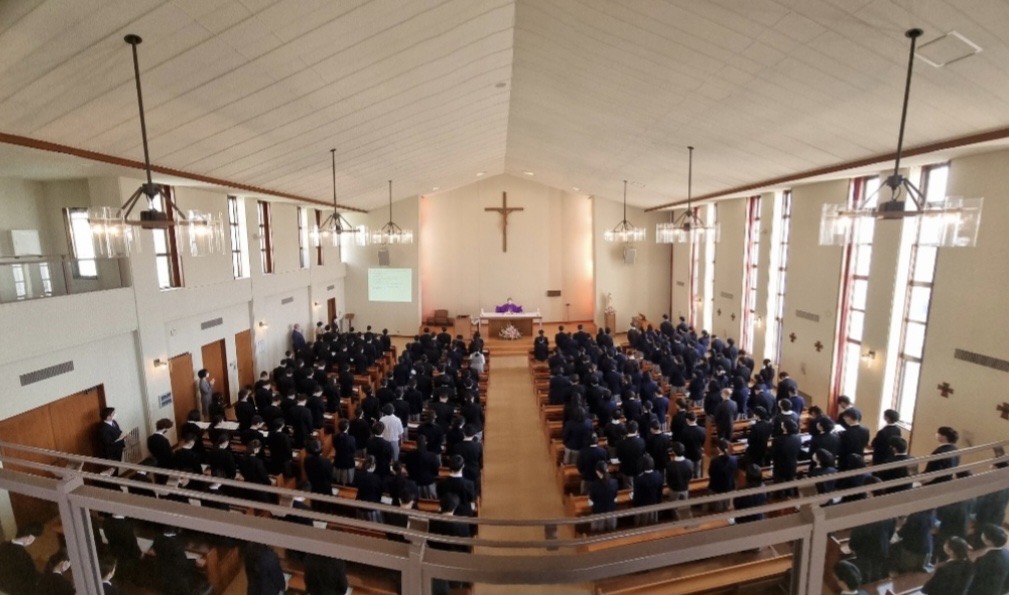
One day, a new international student from Colombia joined our class. She couldn’t speak Japanese well, and I saw myself in her eyes—nervous, lost, silent. I sat next to her and started to speak in English. She smiled in relief. At that moment, I understood something precious: The pain I once had could become empathy for others.
Helping that student reminded me how powerful communication could be. I began to feel curious about languages again—not as something to master perfectly, but as a key to understanding people. I deepened my Japanese through everyday interactions, kept writing in English, and even took extra lessons to polish my Chinese reading and writing.
Each language became a different window into myself.
●Japanese taught me politeness and carefulness.
● Chinese reminded me of my roots, my family, and my early dreams.
● English gave me freedom, allowing me to express things that were too complex for translation.
When I realized I could think in three languages, something opened in my mind. I began to see that no culture is complete by itself. There are things that Japanese communication teaches—like subtlety and empathy—that Chinese culture sometimes rushes through. But there are also strengths in Chinese directness and in the flexibility of English that Japan often needs.
Combining them all, I started to develop a new identity—someone who belongs to all three, yet to none in particular. It wasn’t confusing; it was liberating.
This new sense of identity made me more active in school life. I joined the student council in my third year. At first, I didn’t plan to be a leader; I just wanted to help behind the scenes. But another part of me—the original, positive me was telling me, “No, you should not stay behind, you should be the one who leads people”.
Eventually, I was elected as the student council president. I couldn’t believe it. The same person who once feared to speak was now representing the whole student body.
Being president wasn’t easy. I had to speak in front of hundreds of students, lead meetings, and sometimes make difficult decisions. But all those weekly presentations had prepared me for that moment. I learned how to manage a team where members had different opinions, how to mediate conflicts, and how to balance logic with empathy.
Our council’s biggest project was to propose a change in one of the outdated school rules. Many students had complained about the rule that banned them from letting their hair down, saying it didn’t reflect modern values. Some teachers resisted, thinking it would break discipline. I decided to open a dialogue between both sides.
I gathered opinions from students, created a bilingual proposal in Japanese and English, and presented it formally to the teachers’ committee. To my surprise, they listened seriously. After several months of discussion, the rule was modified. It wasn’t a huge revolution, but for us, it was a sign that communication can truly change things.
That moment became the highlight of my high school life—not because we won a rule change, but because we proved that voices matter when spoken sincerely and respectfully.
Through these experiences, I realized that Assumption Kokusai was not just a school. It was a training ground for empathy, for coexistence, for global understanding. Every presentation, every group project, every friendship was a small experiment in how people from different backgrounds can find common ground.
I started to see patterns in communication across cultures.
Silence, it often means respect in Japan; in China, it can mean disagreement; in Western culture, it might mean disinterest. Understanding these subtle differences allowed me to navigate conflicts more wisely. I became a listener as much as a speaker.
And slowly, I noticed something beautiful: the trauma that once made me afraid of others had turned into the very thing that connected me with others. Because I knew what loneliness felt like, I could comfort others. Because I knew the pain of being misunderstood, I tried harder to understand.
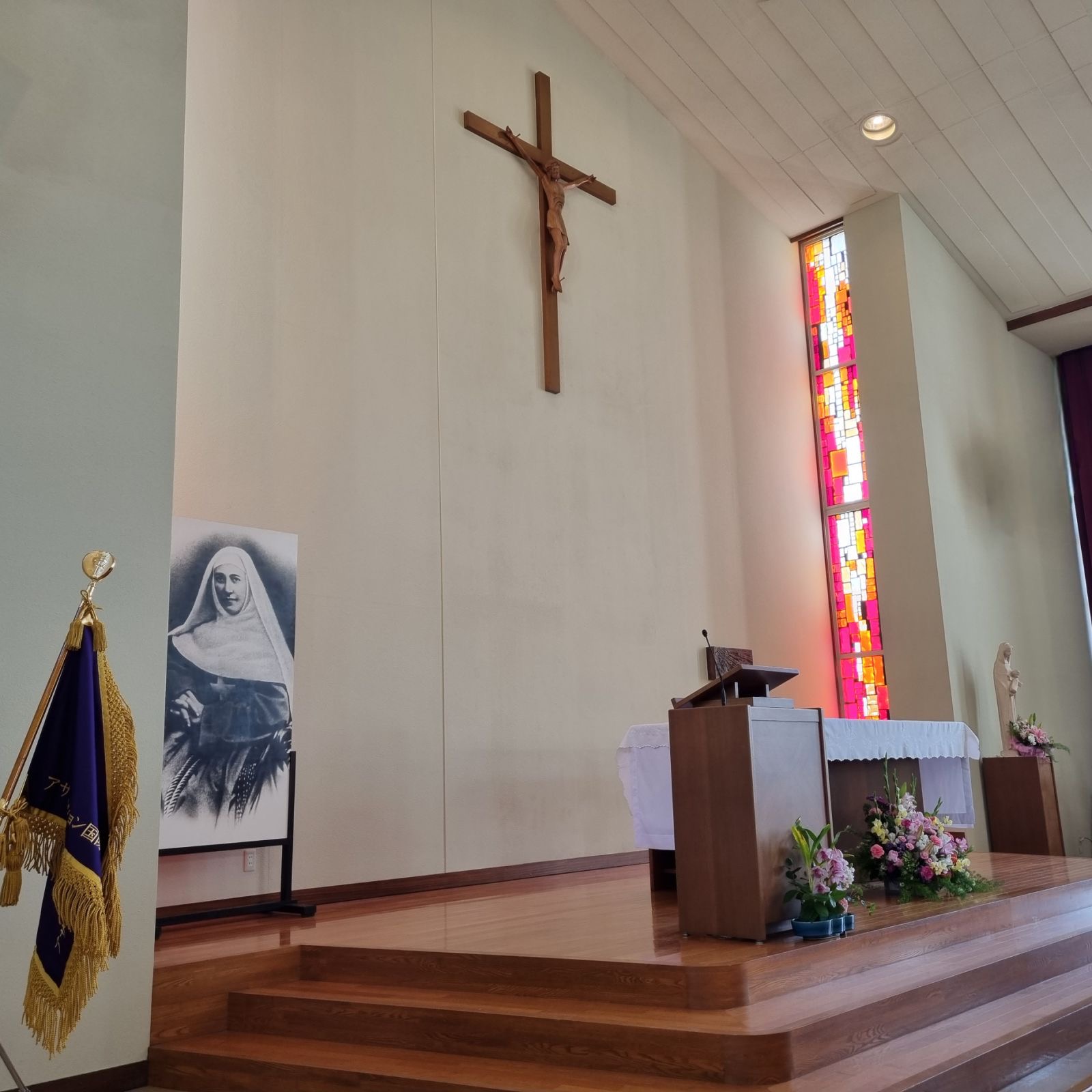
Saint Marie Eugenie, the foundress of the Assumption said, “Education is to allow the good in every person to break through the rock that imprisons it, and bring it into the light where it can blossom and shed its radiance” (Assumption Antipolo, n.d.). I was broken into so many pieces, I was not expecting I could recover from that situation. But what Assumption Kokusai did is connect those pieces and made it into a brand new version of myself.
Looking back, I can say with confidence that Assumption Kokusai didn’t just change me—it healed me. It gave me a safe place to rebuild the parts of myself that were once broken.
Before entering this school, I thought communication was about perfect grammar or fluent speech. Now I know it’s about courage, empathy, and honesty. It’s about listening as much as speaking.
Assumption Kokusai taught me that diversity is not a problem to solve, but a treasure to explore. I met friends from Japan, Colombia, the Philippines, Thailand, and many other countries. Each of them carried a different story, a different way of seeing the world. By talking with them, I learned that every culture has both light and shadow—and that true understanding begins when we stop comparing and start learning.
The person who once feared laughter now uses his voice to encourage others. The student who once stayed silent now leads discussions in three languages. The boy who once felt lost between cultures now proudly stands as a bridge among them.
Assumption Kokusai changed me by showing that transformation is not sudden; it’s built from countless small moments of courage—speaking up, forgiving, listening, and trying again.
As I prepare to graduate, I know that my journey of learning communication will never end. Languages will keep evolving; cultures will keep mixing. But thanks to this school, I now have the foundation to keep learning and adapting.
If I ever meet another student who feels isolated, I will tell them this: Don’t wait for confidence to come before you speak. Speak first, and confidence will follow. That is the greatest lesson Assumption Kokusai has given me.
So, how did Assumption Kokusai change me?
It transformed my silence into a voice, my fear into empathy, and my confusion into understanding. It turned a boy who once hid behind language into someone who connects hearts beyond words. And for that, I will always be grateful.